
Leave Your Message
-
Contact Phone
-
 Contact Email
Have you ever heard of Nitrile Finger Cots? Basically, they’re these nifty protective accessories used across all sorts of industries. Small but mighty, they play a key role in keeping things clean and safe when you're working on sensitive stuff. Whether it's handling electronics, working with food, or in medical settings, these finger cots create a reliable barrier against dirt and germs. Honestly, they’re kinda game-changers!
One of the biggest perks? They’re tough. Made from durable Nitrile, they resist chemicals and punctures way better than traditional latex gloves. Plus, they fit comfortably, so you don’t feel like you’re sacrificing dexterity or precision. Companies that use them often find that they help cut down contamination risks, which is a big plus overall.
Now, picking a good supplier is super important. You want to go with someone who knows their stuff, someone reliable — because that’s how you make sure what you’re getting is top quality. In the end, investing in Nitrile Finger Cots pays off — it makes work safer, cleaner, and gives you a lot more confidence in your day-to-day stuff.

Nitrile finger cots are essential in various industries, particularly in medical settings. These single-use coverings protect fingers from contaminants and chemicals. Unlike latex, nitrile offers superior chemical resistance and allergy-free options. Data from various market reports show that the global nitrile gloves market is projected to reach over $10 billion by 2027. This growth reflects increasing demand, especially for medical applications.
When discussing wholesale OEM nitrile finger cots, it's important to note their versatility. They are widely used in electronics, healthcare, and food handling. Their design allows for dexterity, which is critical in precise tasks. However, the production process may face challenges. Sourcing raw materials and ensuring quality can sometimes hinder efficiency. Despite this, many manufacturers have adopted strict quality control measures, enhancing their market reliability.
Additionally, these finger cots provide a cost-effective solution for businesses. They reduce the risk of contamination, which is vital in environments like laboratories and hospitals. Studies indicate that improper handling can lead to significant financial losses. As industries seek higher safety standards, the importance of incorporating Medical Finger Gloves into practice increases. This trend shows no signs of slowing down, raising questions about sustainability and waste management in the future.
Nitrile finger cots, commonly used in various industries, are made from synthetic rubber. This material is known for its durability and resistance to chemicals, making it a reliable option for protection. The manufacturing process involves molding nitrile rubber into the desired shape, ensuring a snug fit for the user.
When selecting nitrile finger cots, consider the thickness. Thicker cots provide better protection but may hinder dexterity. On the other hand, thinner cots offer more tactile sensitivity but may be less resilient. It's essential to find a balance that meets your specific needs.
Tips: Always check for any imperfections before use. Inspect the finger cots for holes or tears to ensure maximum safety. Additionally, proper storage can extend their lifespan. Keep them in a cool, dry place away from direct sunlight.
The versatility of nitrile finger cots makes them popular in medical settings. They are often used alongside Finger Gloves Medical to maintain hygiene during procedures. Nitrile's flexibility allows users to perform delicate tasks while reducing the risk of contamination.
Nitrile finger cots have become essential in various industries, particularly in medical and manufacturing sectors. They provide effective barrier protection against contaminants. In 2022, the global Nitrile Gloves market size reached $7.8 billion, and the demand for nitrile finger cots is closely tied to this growth.
In the food industry, nitrile finger cots help maintain hygiene while handling food products. This reduces the risk of contamination. Studies show that gloves can lower bacterial transfer by up to 99%. However, improper use can lead to cross-contamination. Users must ensure that the cots fit snugly and are disposed of correctly after use.
Nitrile finger cots are gaining popularity in various industries. They serve as a protective barrier for the fingers during tasks that require precision. Compared to latex finger cots, nitrile options are more resistant to chemicals and punctures. This makes them ideal for use in laboratories and medical settings. However, some users find nitrile to be less stretchy than latex. This could lead to comfort issues for those wearing them for extended periods.
When comparing nitrile finger cots to vinyl options, there are noticeable differences. Vinyl cots are cheaper, but they do not offer the same level of durability. They are less resistant to tears and punctures. Users may find that nitrile provides a better fit and greater tactile sensitivity. However, nitrile cots might feel warmer on the skin. This is a point worth considering for those using them in hot environments.
Cost is another factor to consider. Nitrile cots may have a higher upfront cost. Yet, their durability can lead to savings over time. Users might need to reflect on how often they need to replace their finger cots. Ultimately, the choice between nitrile, latex, and vinyl will depend on individual needs and specific tasks. Each material has its benefits and downsides.
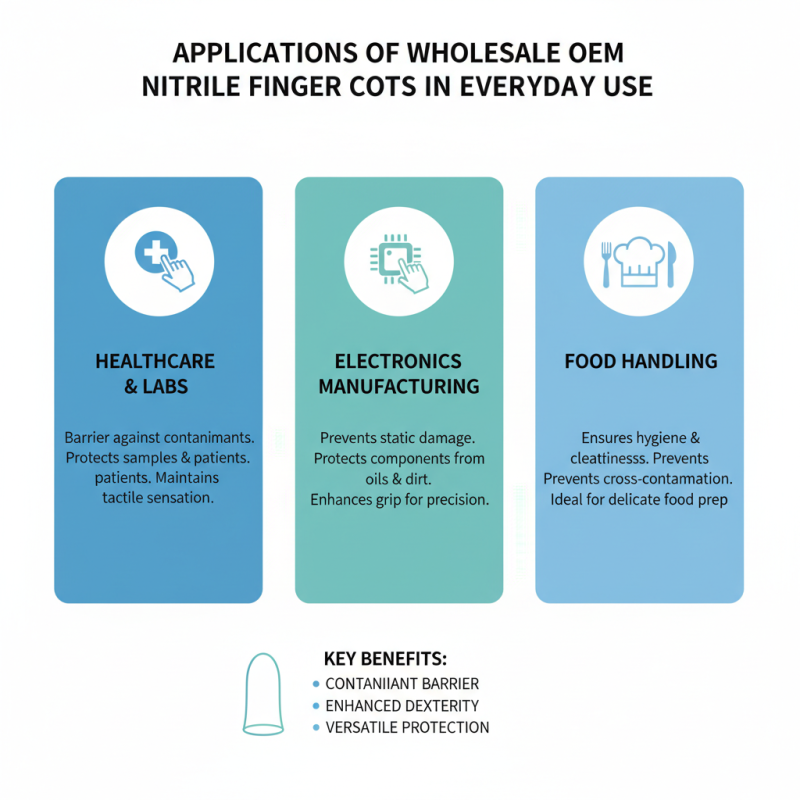
Nitrile finger cots are small, yet powerful tools in various settings. They are widely used in healthcare, electronics, and food handling. Their primary purpose is to provide a barrier against contaminants while preserving dexterity. This is especially important in fields where precision is key. In laboratories, for example, workers rely on nitrile finger cots to protect sensitive samples while maintaining full tactile sensation.
In food preparation, these cots ensure hygiene without interfering with the handling of ingredients. It's common to see workers using nitrile finger cots when dealing with ready-to-eat foods. They prevent oils and residues from hands, maintaining the quality and safety of the food. The use of Gloves Nitrile in these cases enhances food safety protocols.
**Tip:** Remember to choose the right size for comfort and flexibility. If they fit poorly, this can lead to decreased dexterity.
Another application is in the electronics industry. Technicians wear nitrile finger cots while assembling components. This prevents fingerprints and oils from damaging sensitive equipment. It's important to maintain a clean working environment when handling delicate parts.
**Tip:** Regularly inspect finger cots for tears or punctures. Damaged cots can compromise effectiveness and should be replaced immediately.
These applications highlight the versatility and practicality of nitrile finger cots. Their unique features make them invaluable in maintaining safety and quality in everyday tasks.
When purchasing nitrile finger cots in bulk, there are several key factors to consider.
Quality is paramount. Look for products that offer a strong barrier against chemicals and contaminants. The material should be durable, flexible, and comfortable for extended use. A well-fitting cot can improve dexterity and minimize slippage. Inadequate sizing can lead to frustration and inefficiency.
Price is another critical consideration. Bulk purchasing often provides cost savings but ensure that the quality is not compromised. Compare prices from different suppliers while focusing on the overall value. Sometimes, a lower price may indicate inferior quality. Consider the supplier’s reputation and reviews. Reliable suppliers often have strong customer feedback and transparent business practices.
Finally, consider the applications for which you need the finger cots. Different industries may have specific requirements. Evaluating the intended use can guide you toward the right choice. Ensuring that your purchase aligns with your operational needs is essential. Mistakes in selection can affect productivity and safety.
Nitrile finger cots have gained popularity for their role in various industries. These disposable coverings are made from synthetic rubber, offering a reliable barrier against hazards. Their use extends to healthcare, electronics, and cleaning tasks, providing protection while maintaining dexterity.
From a sustainability perspective, nitrile finger cots present both advantages and challenges. Although they are more durable than latex and can often be recycled, their production process involves petroleum-based materials. This raises concerns about environmental impact. The degradation time for nitrile is longer than that of natural materials, leading to potential landfill issues. Users should be mindful of these factors when choosing nitrile products.
Furthermore, the production of nitrile finger cots can lead to energy consumption and waste generation. Investing in research for sustainable alternatives is essential. Exploring biodegradable materials might offer a pathway to reduce the carbon footprint. Every small step toward sustainability counts, and awareness of these issues can help drive change in industry practices.
: They are made from synthetic rubber known for its durability and chemical resistance.
Thicker cots offer better protection but limit dexterity. Thinner ones provide sensitivity but may be less durable.
Imperfections can compromise safety. Always check for holes or tears to ensure full protection.
Store them in a cool, dry place away from direct sunlight to extend their lifespan.
They help maintain hygiene during procedures and reduce contamination risks, allowing for delicate tasks.
Yes, they protect against static and allow precision handling of sensitive electronic components.
Quality is crucial. Ensure they offer a strong barrier and fit well to improve dexterity and comfort.
If not worn correctly or disposed of, they can transmit bacteria, compromising hygiene.
Frequent changes are essential to maintain their protective qualities and ensure safety during use.
Price is important, but evaluate quality, supplier reputation, and specific application needs to avoid poor choices.
Nitrile Finger Cots are specialized protective coverings designed to fit over the fingers, primarily made from nitrile rubber, known for its durability and resistance to chemicals. The manufacturing process involves molding techniques that ensure a seamless fit, making them suitable for various applications across different industries. One of the key benefits of using nitrile finger cots is their ability to provide exceptional protection against harmful substances while maintaining dexterity, which is essential in sectors such as healthcare, electronics, and food processing.
When purchasing Nitrile Finger Cots in bulk, it's important to consider factors such as size, thickness, and compatibility with specific tasks. Additionally, sustainability is becoming a crucial aspect, as many manufacturers are focusing on reducing the environmental impact of their products. Overall, Nitrile Finger Cots serve as a practical solution for enhancing safety and efficiency in everyday use while also addressing important environmental considerations.